Protecting Your Centennial Home’s Pipes During Colorado Winters
Winter in Centennial brings more than just beautiful snow-covered landscapes and crisp mountain air. The dramatic temperature swings that characterize our semi-arid continental climate can wreak havoc on your home’s plumbing system. When temperatures plummet well below freezing overnight, then climb above the freezing point during sunny Colorado afternoons, your pipes experience constant expansion and contraction that can lead to costly failures.
Most Centennial homes were built from the 1970s onward with modern materials and basement foundations, but even newer construction isn’t immune to winter plumbing problems. The freeze-thaw cycles that define our Colorado winters put stress on pipe joints, while our mineral-rich groundwater creates additional challenges for homeowners trying to maintain their plumbing systems.
Understanding how to protect your plumbing during the coldest months isn’t just about preventing inconvenience—it’s about avoiding thousands of dollars in water damage and emergency repairs when a plumber in Centennial might be harder to reach during severe weather.
Understanding Centennial’s Unique Winter Plumbing Challenges
The combination of Centennial’s climate and housing characteristics creates a perfect storm for winter plumbing issues. Our area’s dramatic temperature fluctuations mean your pipes might freeze solid at night, then rapidly expand as temperatures rise the next day. This constant cycle weakens pipe joints over time, making even newer homes vulnerable to sudden failures.
Centennial’s typical multi-level construction with finished basements adds another layer of complexity. Pipes running through exterior walls, crawl spaces, and unheated areas of your basement face the greatest risk. The mineral-rich groundwater common in our area compounds these problems by creating scale buildup that restricts water flow and makes pipes more susceptible to freezing.
Unlike older Denver neighborhoods with aging infrastructure, most Centennial homes feature modern plumbing materials. However, even PVC and copper pipes can fail when subjected to repeated freeze-thaw cycles, especially at connection points and areas where pipes change direction.
Essential Pipe Insulation and Protection Strategies
Proper insulation is your first line of defense against frozen pipes. Focus your efforts on the most vulnerable areas of your home:
- Wrap exposed pipes in unheated areas with foam pipe insulation or heat tape designed for plumbing applications
- Seal gaps around pipe penetrations in exterior walls using caulk or expanding foam to prevent cold air infiltration
- Insulate your water heater and hot water lines to maintain temperature and reduce energy costs during cold snaps
- Keep cabinet doors open under sinks along exterior walls to allow warm air circulation around pipes
- Maintain basement temperatures above 55°F even in unfinished areas where water lines are present
For DIY insulation projects, pipe foam is available at any local hardware store and can be installed in an afternoon. Simply cut the foam to length, wrap it around exposed pipes, and secure with duct tape. Pay special attention to pipes in your garage, crawl spaces, and along exterior foundation walls.
Smart Water Management During Temperature Drops
When Centennial weather forecasts predict overnight lows below 20°F, proactive water management can prevent frozen pipes:
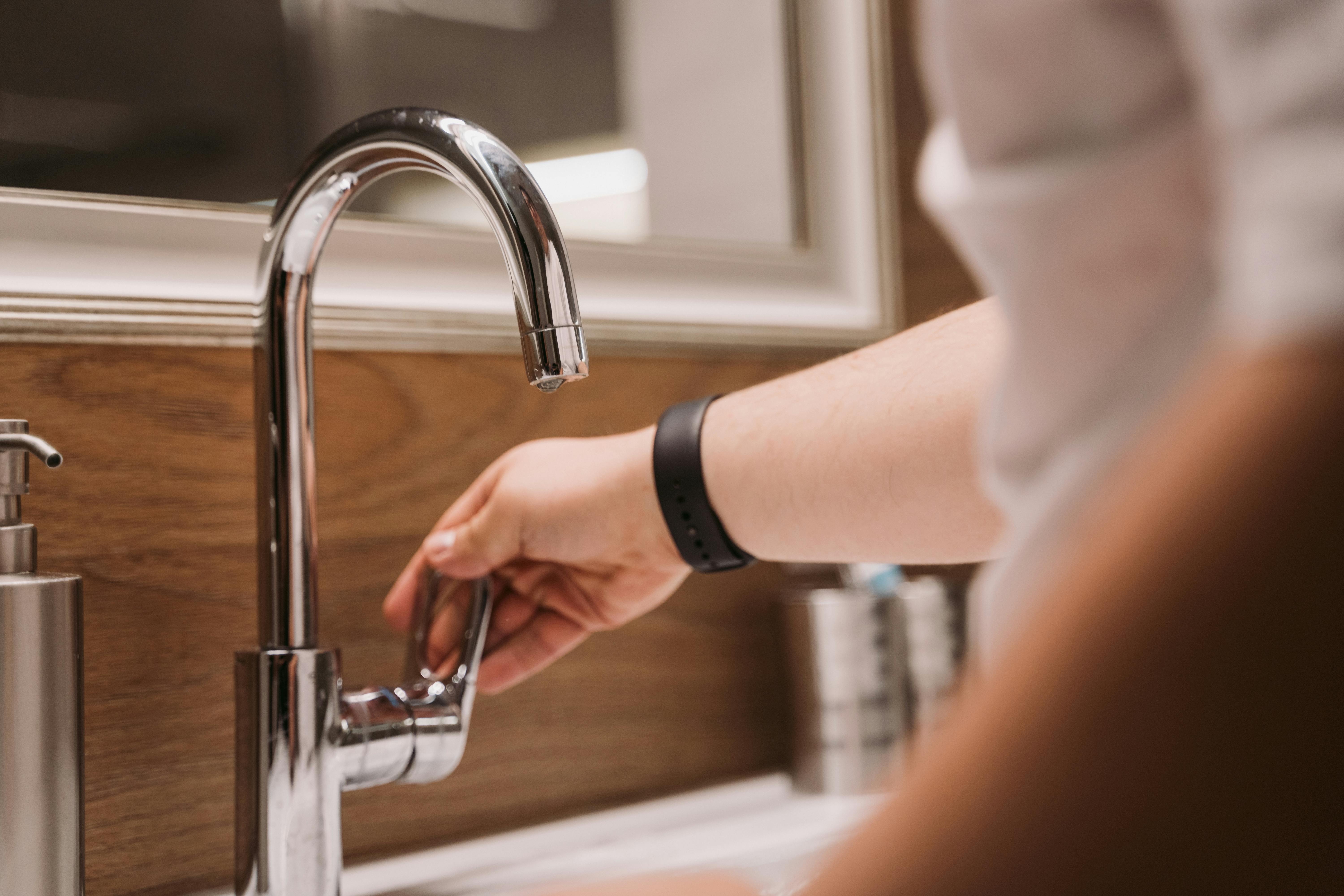
- Allow faucets to drip slightly on the coldest nights, focusing on taps served by pipes running through exterior walls
- Run water periodically through all fixtures, including rarely used basement sinks and utility room taps
- Drain outdoor hoses and shut off exterior water spigots at the indoor valve, then open the outdoor tap to drain remaining water
- Set your thermostat consistently rather than lowering it dramatically at night, which can allow pipes in exterior walls to freeze
- Know your main water shutoff location and keep a water meter key accessible in case you need to shut off water quickly
During extreme cold snaps, running water through your system every few hours can prevent ice formation. Even a small trickle keeps water moving and makes freezing much less likely.
Recognizing and Responding to Frozen Pipe Situations
Early detection of frozen pipes can mean the difference between a minor inconvenience and major water damage. Watch for these warning signs:
- No water flow from faucets or extremely reduced water pressure throughout your home
- Strange sounds from pipes including banging, gurgling, or whistling when you turn on taps
- Frost visible on exposed pipes in basements, crawl spaces, or along exterior walls
- Unusual odors coming from drains which can indicate ice blockages affecting your plumbing system
If you discover frozen pipes, act quickly but safely. Turn off your main water supply immediately to prevent flooding when the ice melts. Apply gentle heat using a hair dryer, heating pad, or warm towels—never use open flames or high-heat devices that could damage pipes or create fire hazards.
For pipes inside walls or in hard-to-reach areas, don’t attempt DIY repairs. These situations require professional equipment and expertise that only an experienced plumber in Centennial can provide safely.
Professional Maintenance for Centennial’s Climate
While DIY prevention goes a long way, some aspects of winter pipe protection require professional expertise. Annual plumbing inspections before winter can identify vulnerable areas in your home’s specific layout and construction type.
Professional services become essential when dealing with:
- Pipe insulation in hard-to-reach areas like inside walls or tight crawl spaces
- Sump pump maintenance and testing before spring snowmelt creates basement flooding risks
- Water pressure adjustments to account for mineral buildup in your home’s plumbing system
- Emergency pipe repairs when freeze damage has already occurred
A qualified Centennial plumber understands the specific challenges our local climate and housing stock present. They can recommend targeted solutions for your home’s age, construction type, and most vulnerable areas.
Preparing for Colorado’s Unpredictable Weather
Centennial’s weather can change rapidly, with sudden temperature drops catching homeowners off guard. Keep emergency supplies on hand, including pipe insulation materials, a reliable flashlight for inspecting dark basement areas, and contact information for emergency plumbing services.
Consider investing in a smart thermostat that can alert you to dangerous temperature drops when you’re away from home. Some homeowners also install temperature sensors in vulnerable areas like unheated basements or crawl spaces.
Remember that preventing pipe problems is always more cost-effective than dealing with emergency repairs and water damage. A few hours of preparation each fall can save thousands in potential damage and keep your family comfortable throughout Colorado’s challenging winter months.
Protecting your Centennial home’s plumbing system requires understanding both our unique climate challenges and your home’s specific vulnerabilities. With proper preparation, smart water management, and knowing when to call for professional help, you can keep your pipes flowing smoothly all winter long.
Need professional help protecting your home’s plumbing this winter? Call The Centennial Plumber at (720) 783-4500.
Need Professional Help?
If you're experiencing plumbing issues in Centennial, our licensed plumbers are ready to help.
Call Now: (720) 783-450024/7 Emergency Service Available